


Despite it's reputation as the Wild West, Texas is in fact very tame when it comes to most forms of gambling. Outside of a few tribal casinos (whose existance is often in legal limbo), there are no other brick-and-mortar casinos in the state, and where it concerns horseplayers, no stand-alone OTBs. There are, however, three live race tracks in the state, all of which also provide simulcast wagering, and one dog track that also offers simulcast wagering on horses.
Texas Off Track Betting Sites
Since getting to the track to place a simulcast bet on big races such as the Triple Crown series or the Breeders' Cup World Championships isn't always convenient, having an account at an online racebook lets you get in on the action wherever you are. Online racebooks are secure, easy to navigate and offer track odds on all wager types.


It's no secret that horse racing takes a bit of a back seat to other major sports in North America, and when it comes to online sportsbooks, racing fans can be a bit underwhelmed by what various sites have to offer. That's why even a quick review of Bovada's racebook shows why they stand out. In addition to things such as signup and cash back bonuses, Bovada offers specific features to handicappers like future bets and head-to-heads.
They offer the widest range of both US and international tracks on their menu, up-to-the-minute race results, and every week handicapping tips for a featured stakes race.
Texas Horse Race Tracks
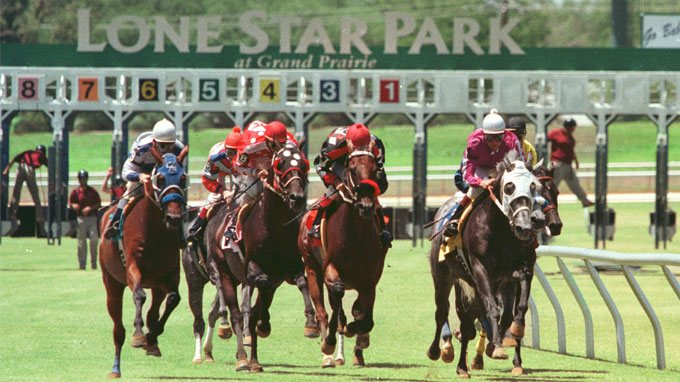
Of the three main race tracks in Texas, perhaps the most well-known to horse racing fans is Lone Star Park in Grande Prairie, near Dallas, which played host to the 2004 Breeders' Cup World Championships. Other Texas tracks include Retema Park in Selma, near San Antonio, and Sam Houston Park located in the city of Houston. There is also a limited race meet every year at the Gillespie County Fair in Fredericksburg.
OTB Locations in Texas
Lone Star Park
As mentioned above, while there are no stand-alone OTB operations in bars or restaurants in Texas, there is simulcast wagering at all the live tracks. Lone Star runs a thoroughbred race meet every spring from late-April to the end of July, and a Quarter horse race meet from mid-September to mid-November. The simulcast facility is located in the Bar & Book sportsbar, and is open 365 days per year.
- 1000 Lone Star Parkway
- Grande Prairie TX 75050
- http://www.lonestarpark.com/home.aspx
Retema Park
Retema Park offers a summer live Quarter horse meet from early June to mid-August, and a fall thoroughbred meet from the beginning of September to the end of November. In both cases, racing is held on Friday and Saturday nights, with a post time of 6:45 PM. The simulcast facility is open every day except Christmas Day, and offers wagering on horses and and dog tracks from around North America.
- 1 Retema Parkway
- Selma, TX 78154
- http://www.retamapark.com/
Sam Houston Park
Live thoroughbred racing takes place at Sam Houston from late January until mid-March, and they have a Quarter horse meet from the end of March to the end of May. They offer simulcasting seven days-per-week.
- 7575 North Sam Houstom Parkway West
- Houston TX 77064
- https://www.shrp.com/
Valley Race Park
Valley Race Park is a greyhound racing facility that is affilliated with Sam Houston Park. Valley offers daily simulcast wagering on both hprses and dog tracks from around North America.
- 2601 South Ed Carey Drive
- Harlinger TX 78552
- http://www.valleyracepark.com